How to Start a Healthy Eating Challenge Today for More Nutrition
We may earn a commission through all links on this website. As an Amazon Associate, we earn from qualifying purchases.
As the new year approaches, many of us are eager to kickstart a healthier lifestyle, and what better way to do so than by revamping our eating habits? A clean eating diet is not just about cutting out junk food, it’s about nourishing our bodies with whole, unprocessed foods that fuel our minds and bodies. But let’s be real, making significant changes to our diet can be daunting, especially when we’re used to relying on convenience and comfort foods.
That’s why we’re excited to introduce our 30-day healthy eating challenge, designed to help you break free from unhealthy habits and develop a sustainable relationship with food that will leave you feeling energized, focused, and confident in your ability to make healthy choices.
What is a Healthy Eating Challenge?
A healthy eating challenge is an excellent way to reboot your relationship with food and develop sustainable habits that benefit your overall well-being. It’s a structured program that encourages individuals to make conscious choices about their diet, focusing on whole, nutrient-dense foods and eliminating processed and unhealthy options.
The challenge can be tailored to fit individual needs and goals, whether that’s weight loss, improved energy levels, or simply feeling better in their own skin. A typical challenge might involve setting specific goals, such as increasing daily fruit and vegetable intake, reducing added sugar consumption, or incorporating more plant-based meals.
Participants are often provided with recipes, meal plans, and shopping lists to help them stay on track, as well as access to a community of like-minded individuals for support and motivation. By committing to a healthy eating challenge, individuals can break free from unhealthy patterns and develop a more positive, balanced relationship with food, leading to long-term benefits for their physical and mental health.
Guidelines for a Successful Clean Eating Challenge
To set yourself up for success in a clean eating challenge, it’s essential to establish clear guidelines from the outset.
Firstly, define what clean eating means to you and set specific goals for your challenge. This could be as simple as committing to a certain number of whole, unprocessed meals per week or eliminating a particular food group.
Next, create a meal plan that includes a variety of nutrient-dense foods, such as fruits, vegetables, lean proteins, and whole grains.
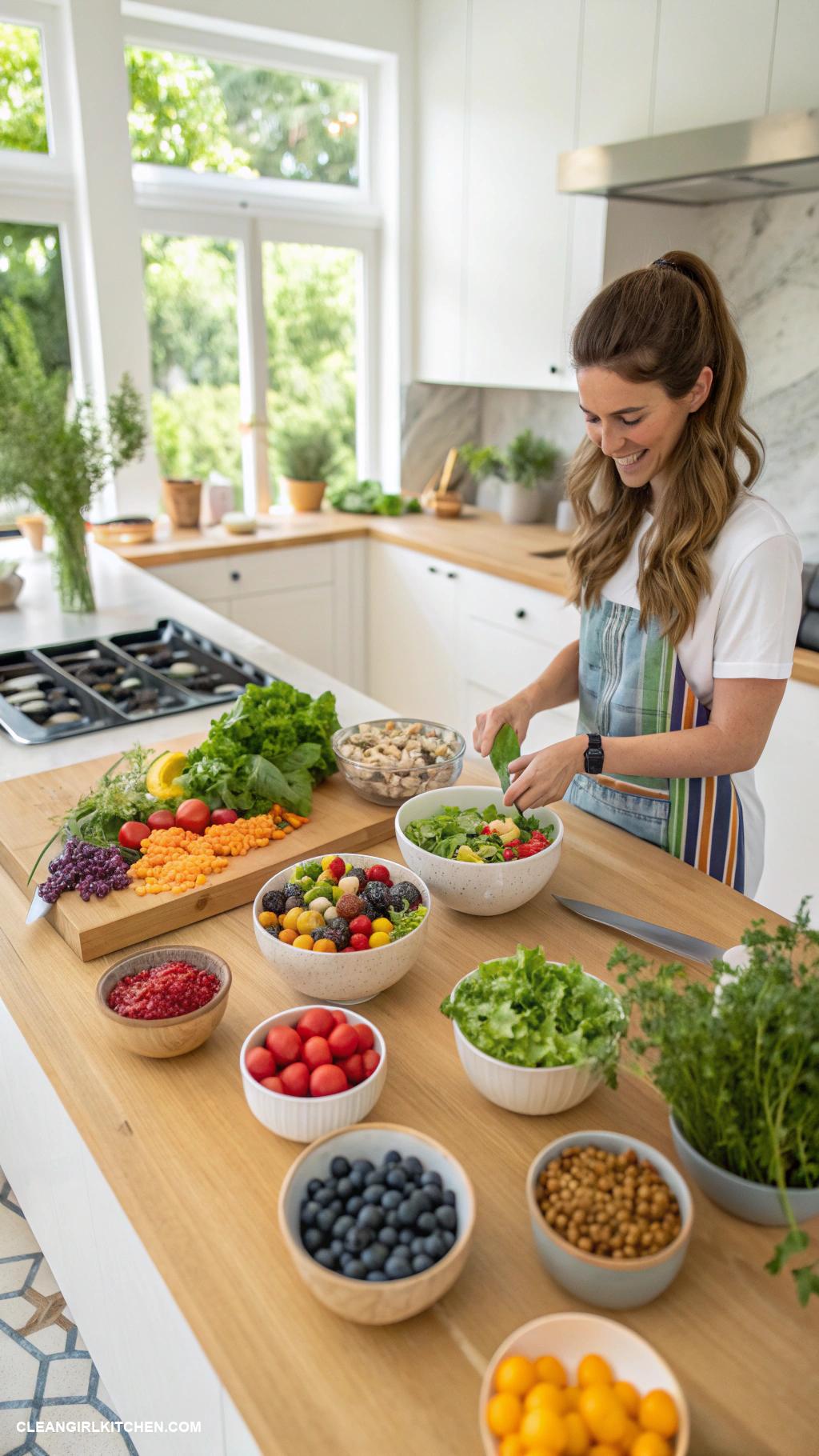
Aim to include a rainbow of colors on your plate to ensure you’re getting a broad range of vitamins and minerals. It’s also crucial to stock your pantry and fridge with healthy staples, such as nuts, seeds, and spices, to help you stay on track.
Consider meal prepping or planning ahead to save time and reduce the likelihood of reaching for convenience foods.
Finally, be kind to yourself and don’t be too hard on yourself if you slip up – instead, focus on progress, not perfection, and adjust your approach as needed.
By following these guidelines, you’ll be well on your way to a successful clean eating challenge that sets you up for long-term healthy eating habits.
Meal Planning and Preparation Tips
When it comes to embarking on a healthy eating challenge, one of the most crucial steps is meal planning and preparation. By taking control of what you eat, you can ensure that you’re fueling your body with the nutrients it needs to thrive.
Start by making a weekly meal plan, taking into account your schedule, dietary preferences, and ingredient availability.
Consider creating a template with breakfast, lunch, dinner, and snack options for each day, and don’t be afraid to get creative with recipes and ingredient combinations. Next, head to your local grocery store and stock up on whole foods like fruits, vegetables, lean proteins, and whole grains.
Aim to prep at least one or two meals per day to save time and reduce food waste. Chop veggies, cook proteins, and assemble salads or meal containers in advance to make healthy eating a breeze.
Don’t forget to label and date your prep containers, and consider dedicating a specific day or evening to meal prep to make it a habit. By doing so, you’ll be well on your way to a successful healthy eating challenge, equipped with the tools and knowledge to maintain a balanced diet and achieve your wellness goals.
Incorporating Seasonal and Local Ingredients
One of the most effective ways to make a healthy eating challenge successful is to incorporate seasonal and local ingredients into your meals. Not only does this ensure that you are getting the freshest and most nutritious produce possible, but it also allows you to support local farmers and reduce your carbon footprint.
When you focus on seasonal ingredients, you are more likely to find recipes that are tailored to the specific produce that is readily available, which can help you avoid relying on processed or imported foods. For example, in the spring, you might incorporate more asparagus and strawberries into your meals, while in the summer, you might focus on tomatoes and corn.
In the fall, you might use more apples and squash, and in the winter, you might rely more on root vegetables like carrots and parsnips.
By incorporating seasonal ingredients, you can create a diverse and exciting meal plan that is tailored to the specific produce that is available in your area. Incorporating local ingredients can also have a significant impact on the flavor and nutritional value of your meals.
Local produce is often picked at the peak of ripeness, which means that it is more flavorful and nutritious than produce that has been shipped from far away. Additionally, local farmers often use sustainable and organic farming practices.
Tracking Progress and Staying Motivated
Tracking progress and staying motivated are crucial components of a successful healthy eating challenge. One of the most effective ways to do this is by setting specific, measurable, and achievable goals. This could be as simple as committing to a certain number of servings of fruits and vegetables per day or reducing your intake of processed foods by a certain percentage. Having a clear idea of what you want to achieve will help you stay focused and motivated throughout the challenge.
Another key aspect of tracking progress is keeping a food diary or log. This can be as simple as jotting down what you eat each day in a notebook or using a mobile app to track your intake. Writing down what you eat helps to increase awareness of your eating habits and can also help you identify patterns and triggers that may be holding you back from making healthier choices. Additionally, seeing your progress on paper can be a powerful motivator, helping you to stay on track and make adjustments as needed.
Staying motivated is also important, and there are many ways to do this. One approach is to find a healthy eating buddy or accountability partner, someone who is also working to make healthier choices and can offer support and encouragement along the way.
You could also join a healthy-eating community or online forum to connect with others doing the same.
Overcoming Common Challenges in Clean Eating
Overcoming common challenges in clean eating is a crucial aspect of a successful healthy eating journey. One of the most significant hurdles individuals face is the temptation to fall back into old habits, such as relying on processed foods or skipping meals. To combat this, it’s essential to identify and address the underlying reasons for these habits.
For instance, if you’re used to grabbing fast food on the go, try meal prepping or packing healthy snacks to keep you satisfied until your next meal. Another common challenge is navigating social situations where unhealthy options are readily available.
In these cases, it’s helpful to prepare ahead of time by packing your own food or finding healthy alternatives at the event. Additionally, practicing mindfulness and self-compassion can go a long way in overcoming setbacks.
Remember that it’s okay to slip up occasionally, and simply get back on track as soon as possible. When it comes to grocery shopping, another common challenge is navigating the aisles and making healthy choices.
To make the process easier, try making a list of the specific ingredients you need for your meal plan, and stick to the perimeter of the store where the fresh produce and meats are typically located. Avoiding processed foods and sugary snacks can also be a challenge, especially when they’re marketed as “healthy”!
Benefits of Participating in a Healthy Eating Challenge
Participating in a healthy eating challenge can have a profound impact on your overall well-being. By committing to a specific eating plan for a set period, you can develop healthier habits and a more balanced relationship with food.
One of the most significant benefits is the improvement in your dietary habits. A healthy eating challenge encourages you to focus on whole, nutrient-dense foods, such as fruits, vegetables, whole grains, lean proteins, and healthy fats. This can lead to a reduction in your intake of processed and packaged foods, added sugars, and saturated fats. As a result, you may experience weight loss, improved digestion, and a decrease in chronic disease risk factors.
Another advantage of a healthy eating challenge is the mental clarity and energy boost that comes with fueling your body with the right foods. When you eat a balanced diet, you’re providing your brain and body with the necessary nutrients to function at their best. This can lead to increased productivity, improved mood, and enhanced cognitive function.
A healthy eating challenge can help you develop a sense of accomplishment and confidence in your ability to make healthy choices. By setting and achieving specific goals, you can build momentum and motivation to continue making progress towards your health and wellness goals!