Clean Eating on a Budget: How to Eat Healthy for Cheap
We may earn a commission through all links on this website. As an Amazon Associate, we earn from qualifying purchases.
Eating clean doesn’t have to break the bank. In fact, with a little creativity and planning, it’s entirely possible to fuel your body with nutrient-dense foods without sacrificing your hard-earned cash. Gone are the days of thinking that clean eating is reserved for the wealthy or the privileged few. With a few simple swaps and smart shopping strategies, you can indulge in the very best that nature has to offer – fresh fruits and veggies, lean proteins, and whole grains – without blowing your budget.
In this article, we’ll explore the best ways to eat clean on a budget, from meal prep ideas to affordable ingredient alternatives, and show you that a healthy and happy body is within reach, no matter your income level.
Clean Eating: Basic Principles and Benefits
Understanding Clean Eating: Principles and Benefits Clean eating is a lifestyle choice that emphasizes consuming whole, unprocessed foods in their natural state, free from additives, preservatives, and artificial ingredients. At its core, clean eating is about nourishing your body with nutrient-dense foods that promote optimal health and well-being. The principles of clean eating are simple yet profound, and they can be applied to any budget.
First and foremost, clean eating is about focusing on whole foods, including fruits, vegetables, whole grains, lean proteins, and healthy fats. These foods are rich in essential vitamins, minerals, and antioxidants that support immune function, energy production, and overall health.
Another key principle of clean eating is avoiding processed and packaged foods, which are often high in added sugars, salt, and unhealthy fats. Processed foods may be convenient, but they can also be detrimental to our health, contributing to chronic diseases like obesity, diabetes, and heart disease.
By opting for whole foods instead, you can avoid these negative health effects and reduce your risk of chronic disease. Clean eating emphasizes mindful eating, which means paying attention to hunger and fullness cues, savoring your food, and eating slowly and intentionally.
Planning Your Clean Eating Menu on a Budget
Planning your clean eating menu on a budget requires a thoughtful approach to ensure you’re getting the nutrients you need without breaking the bank. One of the most effective strategies is to focus on whole, unprocessed foods like fruits, vegetables, whole grains, lean proteins, and healthy fats. These foods are not only nutritious but also affordable, making them an excellent starting point for your clean eating menu.
Consider meal planning and prep as a key component of your budget-friendly strategy. By planning your meals in advance, you can avoid last-minute takeout or dining out, which can be expensive and detrimental to your clean eating goals.
Prep healthy meals in bulk, such as cooking a large batch of brown rice or roasting a variety of vegetables, to use throughout the week. This approach not only saves time and money but also reduces food waste. When it comes to specific ingredients, look for seasonal produce, which is often cheaper and tastes better than out-of-season options.
Consider shopping at local farmers’ markets or joining a community-supported agriculture (CSA) program to support local farmers and get fresh, organic produce at a lower cost. For protein sources, opt for affordable options like beans, lentils, and eggs, which are rich in protein and fiber.
Shopping Smart: Where to Find Affordable Clean Ingredients
Shopping smart is a crucial aspect of clean eating on a budget. When it comes to finding affordable, clean ingredients, it’s essential to know where to look. One of the best ways to start is by shopping at local farmers’ markets.
Not only do you get to support local farmers and the community, but you’ll also have access to fresh, seasonal produce at competitive prices. Another great option is to visit discount grocery stores, which often carry a wide range of organic and non-GMO options at lower prices than traditional supermarkets.
Online retailers like Thrive Market and Lucky Vitamin also offer affordable prices on clean ingredients, often with discounts and promotions for first-time customers. Consider shopping at Asian or international markets, where you can find affordable staples like rice, beans, and spices. When shopping online, be sure to check for sales, coupons, and cashback apps to maximize your savings.
Meal Prep Tips for Sticking to Your Clean Eating Goals
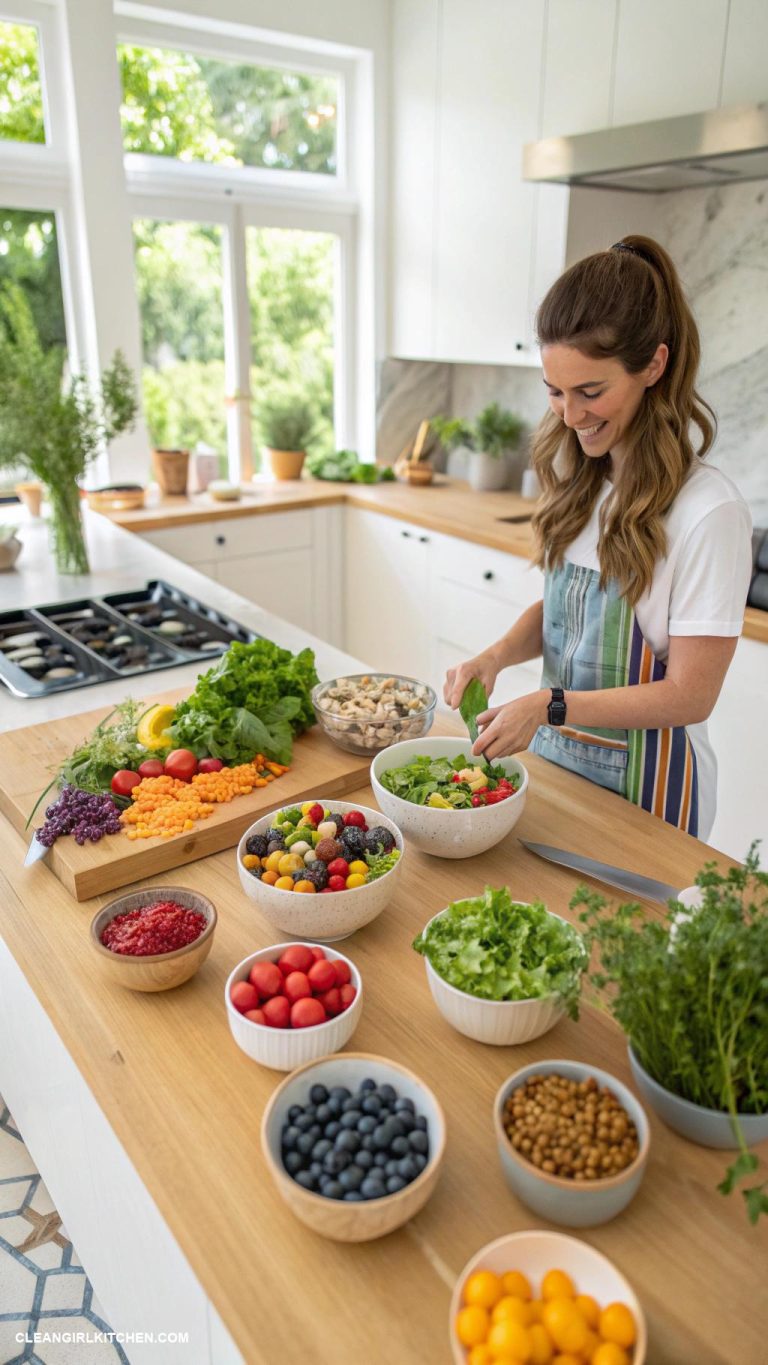
Meal prep is a game-changer for sticking to your clean eating goals, especially on a budget. By dedicating a few hours on the weekend to preparing meals for the week, you can ensure that you’re fueling your body with healthy, wholesome foods without breaking the bank.
Start by planning out your meals and making a grocery list based on the ingredients you need. Then, hit the store and stock up on staples like brown rice, quinoa, and canned beans, which are affordable and can be used in a variety of dishes.
When you get home, chop up a bunch of veggies like carrots, bell peppers, and onions, and roast them in the oven with some olive oil and spices. These pre-chopped veggies can be used throughout the week in stir-fries, salads, and soups.
Next, cook a batch of protein like chicken breast or black beans, and portion it out into individual containers. Finally, assemble your meals by combining the cooked veggies, protein, and whole grains, and storing them in the fridge or freezer for up to 3-4 days.
Some other meal prep tips to keep in mind include using mason jars to store salads and overnight oats, and making a big batch of soup or chili that can be reheated throughout the week.
Affordable Clean Eating Recipe Ideas
Affordable Clean Eating Recipe Ideas are a staple of a budget-friendly clean eating lifestyle. One of the most significant misconceptions about clean eating is that it has to be expensive. However, with a little creativity and planning, you can create delicious and nutritious meals without breaking the bank. Here are some affordable clean eating recipe ideas to get you started.
For instance, a hearty bowl of lentil soup can be made with just a few dollars’ worth of lentils, vegetables, and spices. Another option is to whip up a batch of roasted sweet potato and black bean tacos using canned black beans, sweet potatoes, and a sprinkle of cumin. You can also make a big batch of quinoa and vegetable stir-fry with frozen vegetables and a bag of quinoa, which can be cooked in bulk and reheated throughout the week.
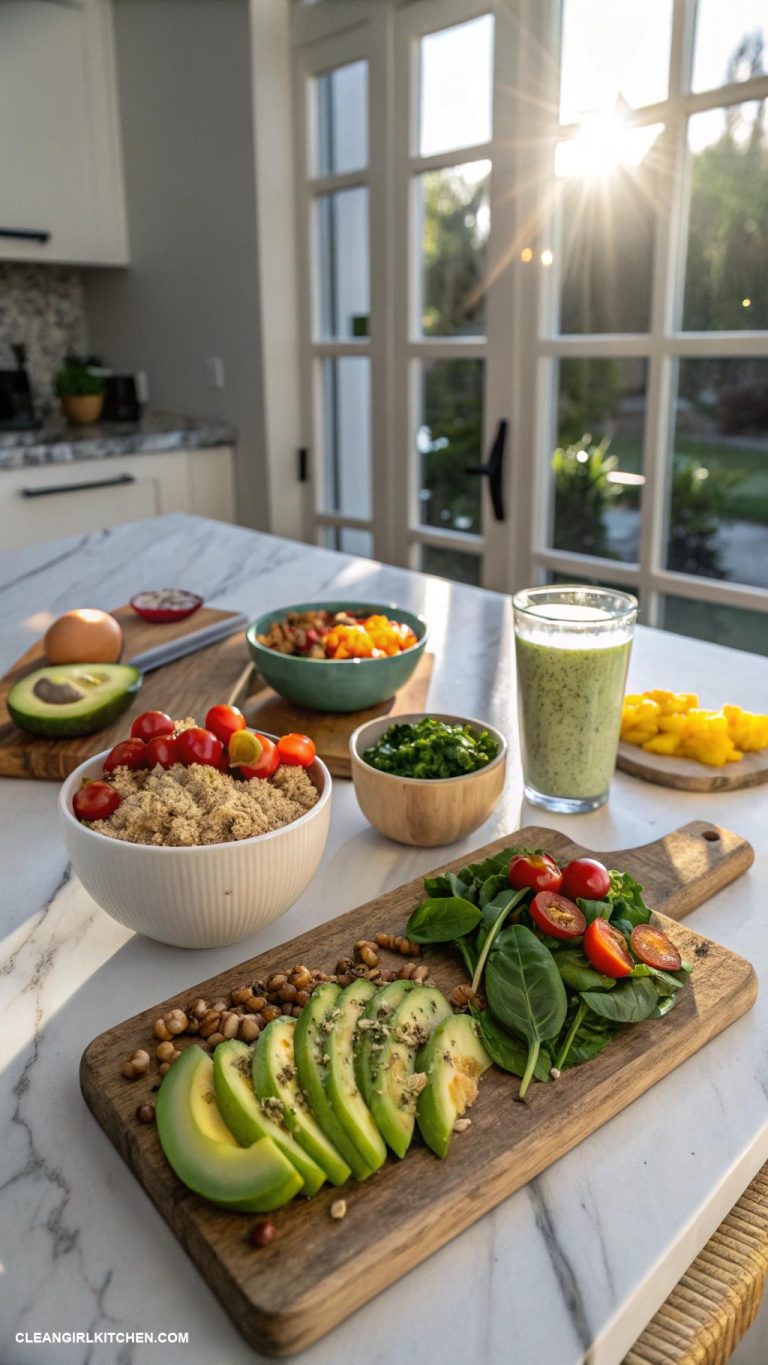
A simple salad made with mixed greens, canned black beans, and a homemade vinaigrette dressing is a great way to get your daily dose of greens without spending a fortune. These are just a few examples of the many affordable clean eating recipe ideas out there. With a little bit of planning and creativity, you can enjoy delicious and nutritious meals without sacrificing your wallet.
Utilizing Seasonal and Local Produce for Cost Savings
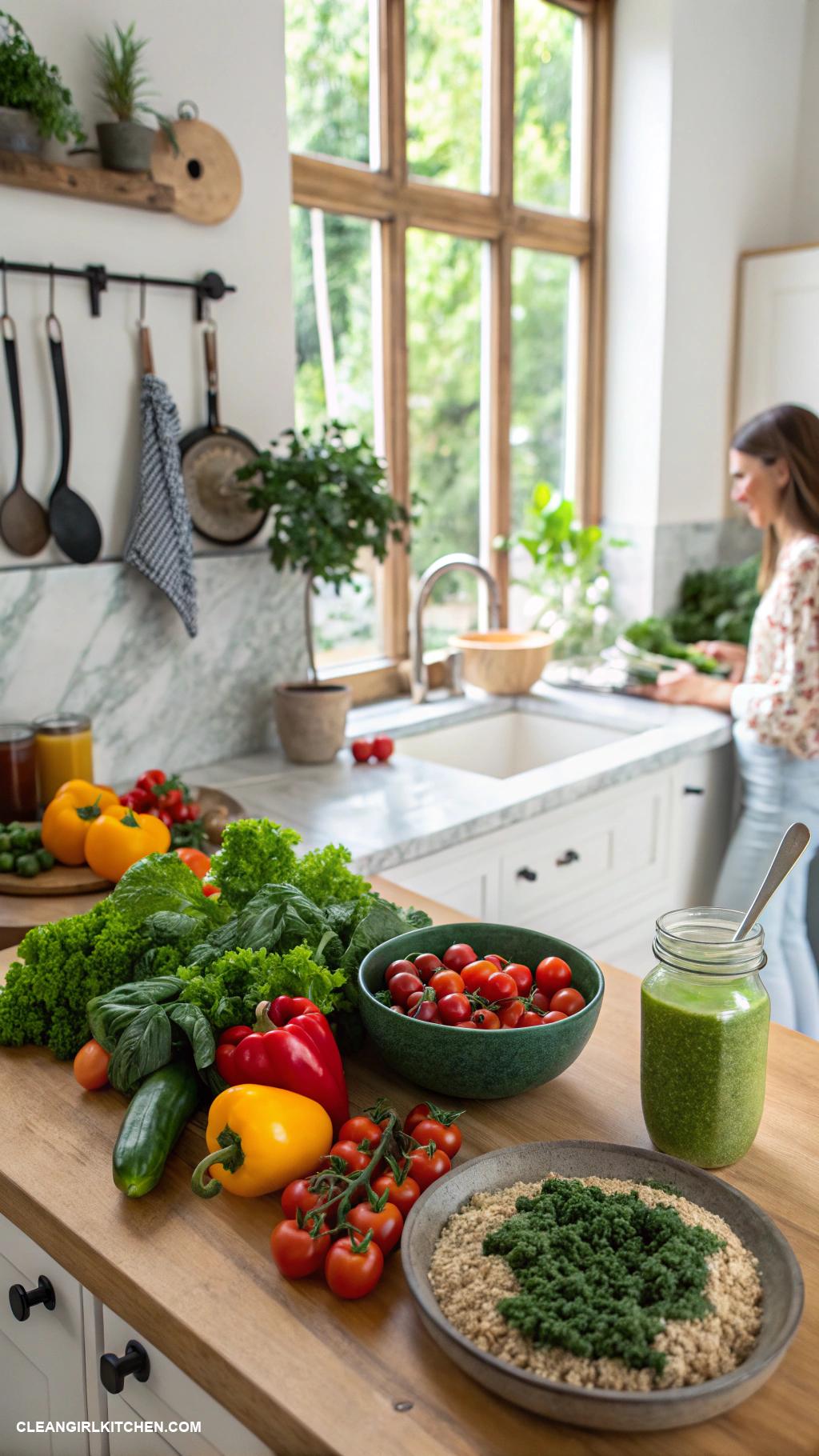
When it comes to clean eating on a budget, incorporating seasonal and local produce into your diet can be a game-changer. One of the primary benefits is cost savings. Produce that’s in season is often cheaper because it’s more abundant and requires less transportation and storage.
For example, in the summer, when stone fruits like peaches and nectarines are in season, you can find them at a fraction of the cost of out-of-season imports. Additionally, buying from local farmers or at farmers’ markets can also help you save money. Not only do you avoid paying for transportation and middlemen, but you’re also supporting your local community and getting the freshest produce possible.
To make the most of seasonal and local produce, plan your meals around what’s in season and stock up when prices are low. You can also get creative with preserving techniques like canning, freezing, and dehydrating to enjoy the flavors and nutrients of seasonal produce year-round. With a little planning and flexibility, you can enjoy the benefits of clean eating without breaking the bank.
Avoiding Common Pitfalls: Staying Within Your Budget While Eating Clean
When it comes to eating clean on a budget, it’s easy to fall into common pitfalls that can quickly derail our efforts. One of the most significant mistakes we can make is failing to plan our meals and grocery shopping trips.
Without a clear plan, we may find ourselves mindlessly grabbing processed snacks or ordering takeout when we’re short on time or feeling uninspired by the ingredients in our pantry. To avoid this pitfall, take some time each week to plan out your meals and make a corresponding grocery list. This will help you stay focused on your clean eating goals and ensure that you’re only buying what you need.
Another common mistake is assuming that eating clean means spending a lot of money on organic and specialty foods. While it’s true that some organic and locally sourced options can be more expensive, it’s not necessary to break the bank to eat a clean diet.
Focus on whole, unprocessed foods like fruits, vegetables, whole grains, and lean proteins, which are often more affordable than their processed counterparts. You can also find affordable sources of organic and locally sourced options by shopping at farmers’ markets, using coupons, and buying in bulk.
Finally, be mindful of your portion sizes and food waste. Eating clean on a budget requires being intentional with the food you buy.