How to Adopt a Clean Eating Lifestyle to Nourish Your Body for a Healthier You
We may earn a commission through all links on this website. As an Amazon Associate, we earn from qualifying purchases.
The notion of clean eating has become a buzzworthy topic in recent years, and for good reason. As we continue to uncover the truth about the food industry’s practices and the impact they have on our health, more and more of us are seeking a cleaner, more intentional approach to the way we fuel our bodies.
Gone are the days of relying solely on processed and packaged foods, as we’re now craving a deeper connection with the food we eat and the people who grow it. By adopting a clean eating lifestyle, we’re not only taking control of our health and wellbeing, but also supporting a more sustainable and environmentally-friendly food system.
In this article, we’ll delve into the ins and outs of clean eating, exploring the benefits, myths, and practical tips for making this healthy habit a part of your daily routine.
What Clean Eating Is and What It Isn’t
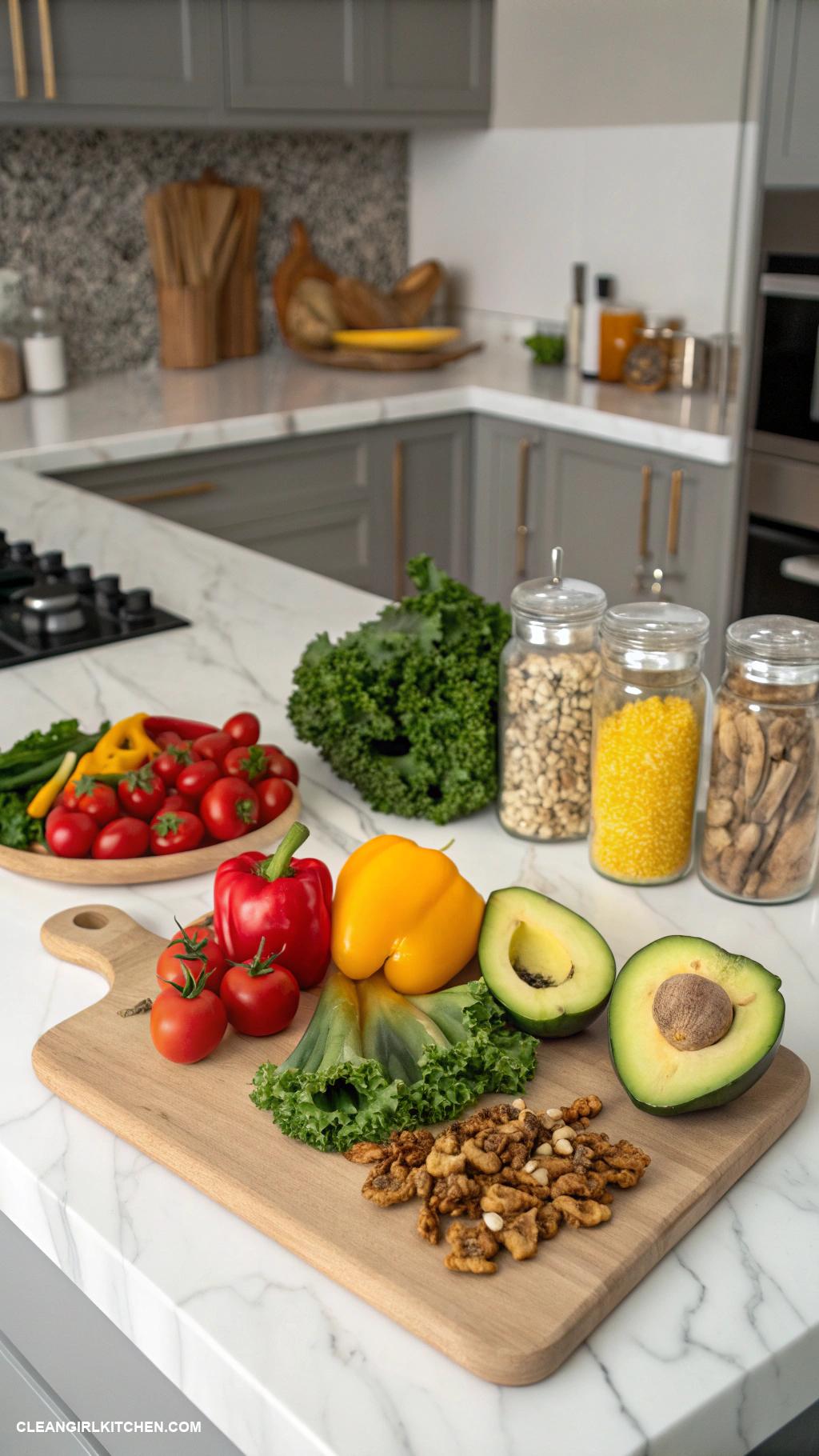
Understanding clean eating is a crucial step in adopting a healthy and balanced lifestyle. Clean eating refers to the process of consuming whole, unprocessed foods in their natural state, free from additives, preservatives, and artificial ingredients. It’s not about cutting out entire food groups or following a restrictive diet, but rather about making informed choices about the foods you put into your body.
Clean eating is about choosing whole grains, lean proteins, and a variety of colorful fruits and vegetables, and avoiding processed and packaged foods that are often high in sugar, salt, and unhealthy fats. It’s about being mindful of the ingredients and nutritional content of the foods you eat, and making conscious decisions about what you put into your body.
Clean eating is not about perfection, but rather about progress and making healthier choices most of the time. It’s about listening to your body and honoring its natural hunger and fullness cues, rather than following a set of strict rules or guidelines.
By adopting a clean eating lifestyle, you can improve your overall health, increase your energy levels, and develop a healthier relationship with food.
Benefits of a Clean Eating Lifestyle
Embracing a clean eating lifestyle can have a profound impact on both physical and mental well-being. One of the most significant benefits is the improvement in overall health, which can be achieved by incorporating whole, unprocessed foods into your diet.
By focusing on nutrient-dense foods such as fruits, vegetables, whole grains, lean proteins, and healthy fats, you can boost your energy levels, support healthy weight management, and even reduce the risk of chronic diseases like heart disease, diabetes, and certain types of cancer.
A clean eating lifestyle can have a profound impact on mental health, as a diet rich in whole foods has been shown to support the production of neurotransmitters like serotonin and dopamine, which play a critical role in mood regulation. Furthermore, the process of preparing and cooking whole foods can be a meditative and calming experience, providing a sense of accomplishment and fulfillment.
By adopting a clean eating lifestyle, you can also experience improved digestion, reduced inflammation, and even enhanced cognitive function. As you make the transition to a cleaner eating lifestyle, you may find that you have more clarity of thought, improved sleep quality, and a greater sense of overall well-being.
Core Principles of Clean Eating: Whole Foods and Nutrient Density
At the heart of the clean eating philosophy is a commitment to whole foods and nutrient density. This means focusing on unprocessed, unrefined foods that are as close to their natural state as possible, while also prioritizing foods that are rich in essential vitamins, minerals, and other beneficial compounds.
The idea is that by consuming a diet that is predominantly composed of whole, nutrient-dense foods, you can support optimal health and well-being, while also minimizing the risk of chronic disease and other health problems.
Whole foods, by definition, are those that have been minimally processed or altered from their natural state. This can include fruits, vegetables, whole grains, lean proteins, and healthy fats, as well as nuts, seeds, and legumes.
In contrast, processed foods, which are often high in added sugars, salt, and unhealthy fats, can disrupt the body’s natural balance and lead to a range of negative health consequences.
Nutrient density, on the other hand, refers to the amount of vitamins, minerals, and other beneficial compounds that are present in a given food. Foods that are high in nutrient density are those that provide a high amount of essential nutrients per calorie, making them an important part of a clean eating diet.
Nutrient-dense foods are a must-have for clean eating. Here are some examples:
| Food | Key Nutrients | Benefits |
|---|---|---|
| Leafy Greens | Vitamins A, C, K, iron, calcium | Boosts immunity, promotes bone health |
| Berries | Vitamins C, antioxidants, fiber | Supports heart health, reduces inflammation |
| Nuts and Seeds | Healthy fats, protein, fiber, vitamin E | Promotes heart health, aids weight loss |
| Fatty Fish | Omega-3 fatty acids, protein, vitamin D | Supports brain health, reduces risk of heart disease |
| Legumes | Protein, fiber, iron, folate | Promotes gut health, stabilizes blood sugar |
| Quinoa | Complete protein, fiber, magnesium | Supports muscle health, aids in digestion |
| Sweet Potatoes | Vitamins A, C, potassium, fiber | Supports vision, promotes gut health |
| Greek Yogurt | Protein, probiotics, calcium | Aids digestion, supports bone health |
These foods are not only rich in vitamins and minerals but also provide various health benefits, making them excellent choices for a balanced diet.
Tips for Transitioning to a Clean Eating Lifestyle
Transitioning to a clean eating lifestyle can be a daunting task, but with a clear plan and gradual approach, you can achieve your goals. Start by setting a realistic timeline for yourself, whether it’s a week, a month, or three months, and gradually eliminate processed foods and added sugars from your diet.
Begin by replacing one or two meals per day with clean eating options, such as whole grain toast with avocado and eggs for breakfast or a salad with grilled chicken and quinoa for lunch. As you become more comfortable with these new habits, you can continue to make progress by introducing more clean eating meals and snacks throughout the day.
Another key strategy is to focus on addition rather than subtraction. Instead of cutting out foods you love, try to add more whole, nutrient-dense foods to your diet, such as leafy greens, berries, and nuts. This approach can help you feel more positive and empowered, rather than restrictive and deprived.
Additionally, it’s essential to plan ahead and prepare your meals and snacks in advance. This can be as simple as packing a lunch the night before or meal prepping on the weekends. Having healthy options readily available can help you stay on track and avoid last-minute, unhealthy choices.
Common Myths and Misconceptions About Clean Eating
When it comes to clean eating, there are numerous myths and misconceptions that can lead to confusion and frustration. One common myth is that clean eating means cutting out entire food groups, such as carbohydrates or fats. In reality, clean eating is more about focusing on whole, nutrient-dense foods and limiting or avoiding processed and packaged items.
Another myth is that clean eating is only for those who have specific dietary restrictions or allergies. While it’s true that clean eating can be beneficial for individuals with certain health conditions, it’s not exclusive to them. Anyone can adopt a clean eating lifestyle, regardless of their dietary needs or preferences.
Another misconception is that clean eating is expensive and time-consuming. While it’s true that some whole foods can be pricier than processed alternatives, there are many affordable and accessible options available. Additionally, meal prep and planning can actually save time and reduce stress in the long run.
Some people also believe that clean eating means giving up their favorite foods or indulging in special occasions. However, clean eating is not about deprivation or restriction, but rather about making conscious choices that nourish both body and mind. It’s perfectly fine to enjoy a slice of cake or a glass of wine on occasion, as long as it’s done in moderation!
Meal Planning and Prep for Clean Eating Success
When it comes to achieving clean eating success, meal planning and prep are crucial components of a healthy lifestyle. By taking the time to plan out your meals in advance, you can ensure that you’re fueling your body with nutritious foods that align with your clean eating goals.
Start by setting a goal for the number of meals you want to plan and prep each week, and then make a list of the ingredients and recipes you’ll need. Consider your dietary restrictions, preferences, and schedule to create a personalized meal plan that works for you.
Once you have your meal plan in place, it’s time to start prep work. Begin by making a grocery list and shopping for the ingredients you need. Aim to buy whole, unprocessed foods as much as possible, and avoid packaged or processed items that may contain added sugars, salt, or unhealthy fats.
When you get home from the store, start by washing and chopping all of your vegetables and fruits, and then move on to cooking and portioning out your meals. Consider using containers or ziplock bags to store your prepared meals, and label them with the date and contents to ensure you know what you have and how long it’s been in the fridge.
By having a solid meal plan and prep routine in place, you can easily adopt a clean eating lifestyle.
Clean Eating in Social Situations and Dining Out
Incorporating clean eating into your social life can be challenging, especially when dining out or attending events where food is involved. However, with a little planning and creativity, you can make healthy choices that align with your clean eating lifestyle.
When dining out, start by researching the menu beforehand to identify healthy options. Look for restaurants that offer organic, locally sourced, and seasonal ingredients. Opt for grilled or baked options instead of fried, and choose vegetable-rich dishes over meat-heavy ones. Don’t be afraid to ask your server for modifications, such as holding the cheese or sauce, or swapping out sides for a side salad.
When attending events, bring a healthy dish to share, such as a salad or veggie platter, and try to avoid grazing on unhealthy snacks throughout the day. Additionally, consider attending events that align with your values, such as yoga classes or farmers’ markets, where you’re more likely to find like-minded individuals who share your commitment to clean eating.
By making a few simple changes to your social routine, you can maintain your clean eating lifestyle even when surrounded by tempting treats and indulgent options.