The Ultimate Clean Eating Meal Plan for a Healthy and Happy You
We may earn a commission through all links on this website. As an Amazon Associate, we earn from qualifying purchases.
In a world where convenience often trumps nutrition and processed foods are the norm, it’s no wonder many of us struggle to make healthy choices. But what if you could transform your relationship with food and experience the energy, vitality, and overall well-being that comes with eating a diet that’s both delicious and nutritious?
A clean eating meal plan is the key, and in this article, we’ll show you how to ditch the junk and adopt a lifestyle that will leave you feeling like the best version of yourself.
What is Clean Eating?
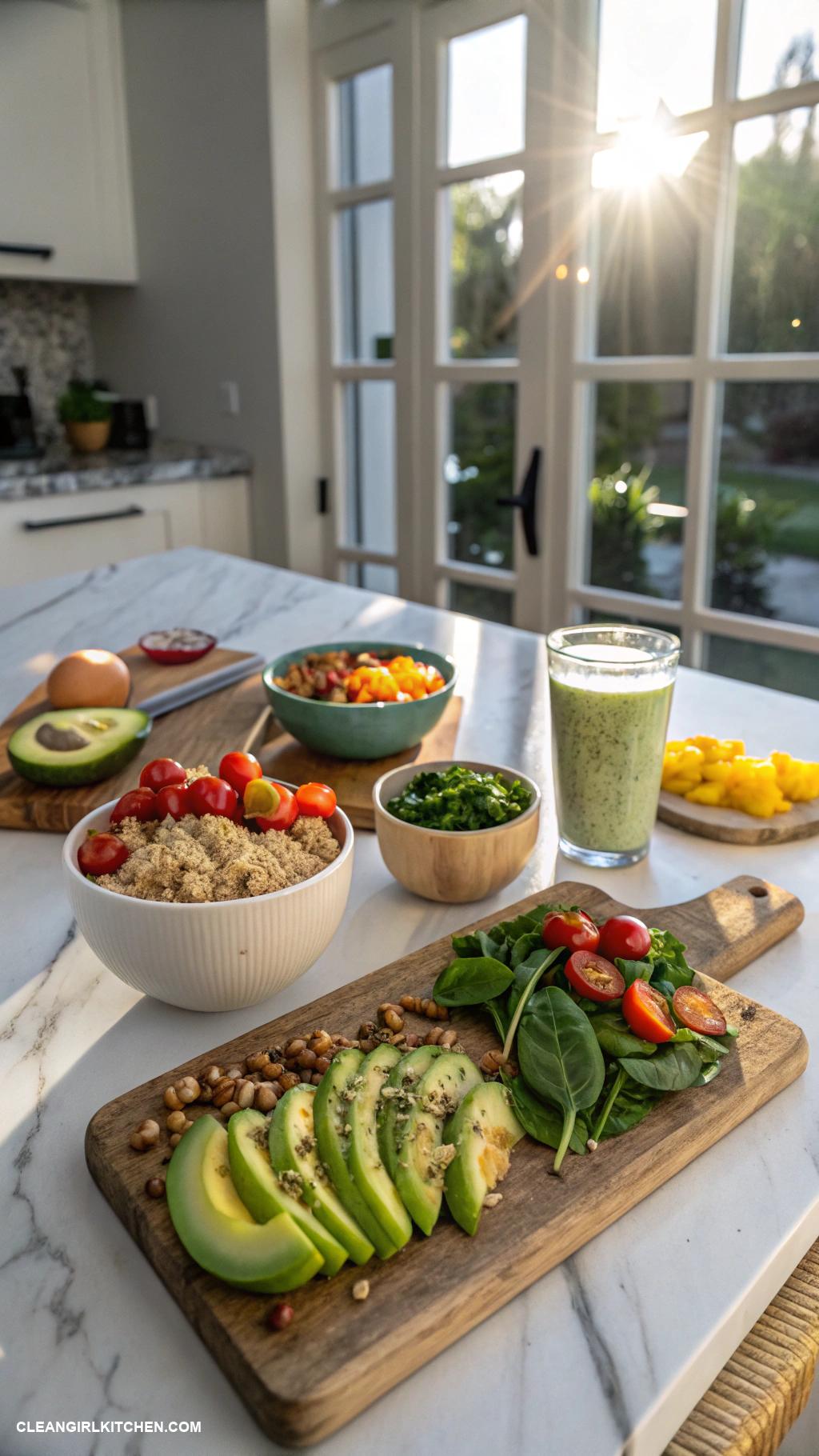
Clean eating is a lifestyle approach to consuming food that focuses on consuming whole, unprocessed, and nutrient-dense foods. The core principle is to avoid or minimize foods that are highly processed, packaged, or contain added sugars, artificial ingredients, and unhealthy fats. This means opting for whole foods like fruits, vegetables, whole grains, lean proteins, and healthy fats, while limiting or avoiding foods like sugary drinks, refined grains, and processed meats.
Clean eating is not about strict rules or cutting out entire food groups, but rather about making informed choices that promote overall health and well-being. By focusing on whole foods, you can nourish their bodies with the essential vitamins, minerals, and antioxidants they need to function at their best.
Benefits of Clean Eating
Embracing a clean eating lifestyle can have a profound impact on overall health and well-being. One of the most significant benefits of clean eating is the improvement in digestion and gut health.
When you focus on consuming whole, unprocessed foods, you’re providing your body with the necessary nutrients to support the growth of beneficial gut bacteria. This can lead to a reduction in symptoms such as bloating, cramps, and diarrhea, and can even alleviate conditions like irritable bowel syndrome (IBS).
Clean eating can help to boost your immune system, as the nutrients and antioxidants found in whole foods work to combat free radicals and reduce inflammation in the body. This can lead to a reduction in the risk of chronic diseases, such as heart disease, diabetes, and certain types of cancer.
Furthermore, clean eating can also have a profound impact on mental health, as the consumption of nutrient-dense foods has been shown to improve mood, reduce symptoms of depression and anxiety, and even support cognitive function. By adopting a clean eating meal plan, you can experience these benefits and more, leading to a healthier, happier you.
Essential Ingredients for a Clean Eating Meal Plan
When it comes to creating a clean eating meal plan, it’s essential to focus on shopping for a healthy grocery list to support overall health and well-being. A clean eating meal plan is all about consuming whole, nutrient-dense foods that are free from added preservatives, artificial flavorings, and excessive sugars. To achieve this, it’s crucial to prioritize the use of essential ingredients that provide a foundation for a balanced diet.
At the top of the list are fresh fruits and vegetables, which are rich in vitamins, minerals, and antioxidants that help to boost energy levels and support immune function. Next, lean protein sources such as grass-fed beef, wild-caught salmon, and free-range chicken are essential for building and repairing muscles, organs, and tissues.
Whole grains like brown rice, quinoa, and whole wheat bread provide sustained energy and fiber, while healthy fats like avocado, nuts, and seeds support heart health and brain function.
Essential oils like olive oil and coconut oil are great for cooking and adding flavor to meals without added chemicals. Finally, herbs and spices like turmeric, ginger, and cumin add flavor and anti-inflammatory properties without the need for salt or sugar.
Sample Weekly Clean Eating Meal Plan
The Sample Weekly Clean Eating Meal Plan is a carefully curated selection of recipes and meal ideas designed to help you adopt a clean eating lifestyle. This meal plan is part of a comprehensive guide to clean eating, which emphasizes the importance of consuming whole, unprocessed foods in their natural state. The meal plan is tailored to provide a balanced and varied diet, with a focus on lean proteins, complex carbohydrates, and healthy fats.
Here’s a clean eating meal plan for the week, a balanced plan with breakfast, lunch, dinner, and snacks for each day.
Day 1: Monday
- Breakfast: Greek yogurt with chia seeds, fresh berries, and a drizzle of honey
- Snack: Handful of raw almonds and an apple
- Lunch: Grilled chicken salad with mixed greens, cucumber, avocado, cherry tomatoes, and a lemon-olive oil dressing
- Snack: Carrot sticks with hummus
- Dinner: Baked salmon with roasted sweet potatoes and steamed broccoli
Day 2: Tuesday
- Breakfast: Oatmeal with almond butter, sliced banana, and a sprinkle of cinnamon
- Snack: Hard-boiled egg and a handful of grapes
- Lunch: Quinoa bowl with grilled shrimp, spinach, bell peppers, cucumber, and a tahini dressing
- Snack: Celery sticks with almond butter
- Dinner: Stir-fried chicken with mixed vegetables (carrots, bell peppers, broccoli) over brown rice
Day 3: Wednesday
- Breakfast: Scrambled eggs with spinach and tomatoes, served with whole wheat toast
- Snack: Greek yogurt with a few walnuts and a drizzle of honey
- Lunch: Turkey lettuce wraps with avocado, cucumber, and tomato
- Snack: Sliced apple with almond butter
- Dinner: Grilled chicken breast with quinoa and roasted Brussels sprouts
Day 4: Thursday
- Breakfast: Smoothie with spinach, banana, almond milk, protein powder, and chia seeds
- Snack: A handful of mixed nuts
- Lunch: Lentil soup with a side of mixed greens and olive oil dressing
- Snack: A small handful of carrots with hummus
- Dinner: Baked cod with roasted sweet potato and sautéed spinach
Day 5: Friday
- Breakfast: Chia pudding (made with almond milk) topped with mixed berries
- Snack: A handful of mixed berries and a piece of dark chocolate (70% or higher)
- Lunch: Grilled chicken with quinoa salad (cucumber, tomatoes, red onion, lemon-olive oil dressing)
- Snack: A boiled egg and a handful of cherry tomatoes
- Dinner: Grass-fed beef stir-fry with broccoli, bell peppers, and cauliflower rice
Day 6: Saturday
- Breakfast: Avocado toast on whole wheat bread with a poached egg
- Snack: Apple slices with peanut butter (unsweetened)
- Lunch: Grilled salmon salad with mixed greens, avocado, cucumbers, and a balsamic vinaigrette
- Snack: A handful of sunflower seeds
- Dinner: Grilled turkey burger (no bun) with roasted zucchini and quinoa
Day 7: Sunday
- Breakfast: Whole wheat pancakes topped with fresh berries and a small drizzle of maple syrup
- Snack: A handful of raw almonds and a pear
- Lunch: Chicken and avocado wrap in a whole wheat tortilla, with mixed greens and a squeeze of lime
- Snack: Sliced cucumber and bell peppers with a side of hummus
- Dinner: Grilled shrimp with roasted butternut squash and steamed green beans
General Tips for Clean Eating
- Drink plenty of water throughout the day.
- Use healthy fats like olive oil, avocado, and nuts.
- Choose whole grains like quinoa, brown rice, and oats.
- Limit processed foods—stick to whole, natural ingredients.
- Focus on eating lean proteins like chicken, turkey, fish, eggs, and plant-based options (beans, lentils).
For example, Monday’s breakfast might feature a Berry Bliss Smoothie made with frozen mixed berries, Greek yogurt, spinach, and almond milk, while Tuesday’s lunch could be a Quinoa and Black Bean Bowl with roasted vegetables and a drizzle of avocado dressing.
Does this look like something you could try?
By following this meal plan and adopting the principles of clean eating, you can expect to see improvements in your overall health and well-being, including increased energy levels, improved digestion, and a reduced risk of chronic diseases.
Tips for Sticking to Your Clean Eating Meal Plan
When it comes to sticking to a clean eating meal plan, it’s essential to remember that it’s a journey, not a destination. It’s easy to get discouraged if you slip up, but the key is to learn from your mistakes and get back on track.
One of the most important tips is to start small and set realistic goals for yourself. Don’t try to overhaul your entire diet overnight, as this can be overwhelming and lead to burnout. Instead, focus on making small changes each week, such as adding a new vegetable to your meals or swapping out processed snacks for healthier options.
It’s also crucial to plan ahead and prep your meals for the week. This can be as simple as packing a lunch or cooking a batch of brown rice and roasted vegetables on the weekend to use throughout the week. Having healthy options readily available will make it easier to stick to your plan, even on busy days.
Be kind to yourself and don’t beat yourself up if you have a slip-up. Everyone has off days, and it’s okay to indulge every now and then. The important thing is to get back on track and not let one mistake derail your entire progress. Finally, find healthy alternatives to your favorite treats and make them a part of your meal plan.
How to Prepare Clean Eating Snacks
When it comes to incorporating clean eating snacks into your daily routine, the key is to focus on whole, unprocessed foods that are rich in nutrients and low in added sugars, salt, and unhealthy fats.
A great place to start is by stocking your pantry with healthy snack staples like nuts, seeds, and dried fruits. Almonds, cashews, and pumpkin seeds are all excellent sources of healthy fats and protein, while dried apricots, cranberries, and raisins provide a natural source of sweetness. You can also consider preparing your own snacks from scratch, such as homemade granola or energy bars made with rolled oats, honey, and chia seeds.
For a quick and easy snack, try keeping a bowl of fresh fruit on the counter, such as apples, bananas, or berries, which can be paired with a handful of almonds or a tablespoon of peanut butter for added protein and healthy fats. Another option is to prepare a batch of trail mix using a combination of nuts, seeds, and dried fruits, which can be portioned out into individual servings for a quick and easy snack on-the-go.